Skip to content
Skip to navigation
Skip to content
Skip to navigation





Struggling with your startup finances? INSIDE.BIZ.ID has got your back with some game-changing insights. Are you leaving money on the table? This could happen if you ignore key business accounting basics. These basics can change how you handle money.
Welcome to INSIDE.BIZ.ID, your guide in the world of business accounting. It’s not just about numbers. It’s about planning for financial success.
Every business needs strong accounting. It helps you make better money choices. It also helps you keep cash flowing and grow your business.
The Core Principles Behind Business Accounting

Business accounting is like a map for a company’s money. It shows how much money comes in and goes out. It helps you make smart choices for your business.
To do well in business accounting, you need to know the basics. Your money plan should be clear and right. This helps show how well your business is doing.
Key Accounting Principles for Success
Good accounting has a few main rules:
- Consistency in financial reporting
- Accurate revenue and expense tracking
- Adherence to legal and tax regulations
- Transparent financial documentation
The Role of Financial Management
Financial management is more than just keeping track of money. It’s about planning, checking risks, and making choices that help your business grow. Your accounting tools should give you quick info on:
- Cash flow dynamics
- Profitability metrics
- Investment opportunities
- Cost optimization strategies
Essential Accounting Terms
Knowing important accounting words helps you talk money with experts. Learn these key terms to get better at money talk:
- Balance Sheet: A snapshot of your company’s financial position
- Cash Flow: Money moving in and out of your business
- Accounts Receivable: Money owed to your business
- Depreciation: Reduction in asset value over time
With a strong base in business accounting, you can make better money choices. This helps your business succeed for a long time.
Separating Personal and Business Finances
It’s very important to keep your personal and business money separate. Many business owners mix their money, which can lead to big problems. These problems can hurt your business and even get you into legal trouble.
When you start a business, it’s key to set clear money rules. This helps protect you from big risks. It also makes it easier to manage your money and look good to others.



- Legal liability protection
- Simplified tax reporting
- Clearer financial tracking
- Enhanced professional credibility
First, open a special bank account for your business. Find a business checking account with low fees and works well with accounting software. This helps you keep your personal and business money apart.
“Mixing personal and business finances is like mixing oil and water—it creates unnecessary complexity and possible financial headaches.” – Sarah Martinez, Financial Consultant
Credit cards are also important for keeping money separate. A business credit card helps you track what you spend. It also helps build your business credit and makes accounting easier. Choose a card that fits your business spending.
By following these steps, you’ll build a strong financial base for your business. This will help your business grow and keep your personal money safe.
Business Accounting Basics You Need to Master

Learning about business accounting basics can seem hard. But, knowing key financial steps is key for your company’s success. Getting good at accounting helps you make smart choices and keep your finances healthy.
Your accounting system is very important. It helps you manage your money well. Let’s look at the main parts you need to know.
Chart of Accounts Structure
A chart of accounts is like a map for your money. It groups all your financial actions into certain areas. This makes it easy to follow and manage your money.
- Asset accounts (cash, inventory, equipment)
- Liability accounts (loans, credit cards)
- Equity accounts (owner’s investments)
- Revenue accounts (sales, services)
- Expense accounts (operational costs)
Recording Financial Transactions
It’s very important to record financial actions correctly. Every money move must be written down accurately. This keeps your financial records clear and honest.
| Transaction Type | Documentation Required |
|---|---|
| Sales Revenue | Invoice, receipt |
| Business Expenses | Receipts, payment confirmations |
| Payroll | Employee timesheets, payment records |
Understanding Financial Statements
Financial statements give you a quick look at your business’s health. There are three main statements to watch:
- Balance Sheet: Shows what you own, owe, and your equity
- Income Statement: Tells you about profits and losses
- Cash Flow Statement: Follows the money
By learning these basics, you’ll feel more confident in handling your company’s money. You’ll also be able to make better choices.
Implementing Cloud-Based Accounting Solutions

Cloud-based solutions can really help your business accounting. They make managing money easier and more efficient for small and medium businesses.
Choosing the right cloud accounting software is important. Look at QuickBooks Online, Xero, and FreshBooks. They have special features to help with your accounting.
- Real-time financial tracking
- Enhanced collaboration capabilities
- Automatic data backup
- Secure remote access
When you pick cloud accounting solutions, think about these things:
- What you need for your business
- How much it costs and if it grows with you
- If it works with other tools you use
- How safe it is
Cloud accounting can cut costs by up to 50% and make money management clearer. Moving your financial data to the cloud gives you quick insights into your business’s health.
“Cloud technology is changing business accounting. It makes managing money easier and more efficient than ever before.” – Financial Technology Experts
Begin your cloud accounting journey by looking at platforms that fit your business size and type. Most offer free trials. This lets you try before you buy.
Mastering Cash Flow Management Techniques

Cash flow is the heart of your business. It’s what keeps your business alive. Good accounting helps you manage money well and grow.
Good businesses don’t just track money. They plan and watch their finances closely.
Cash Flow Forecasting Methods
Knowing your financial future helps you make smart choices. Here are some ways to forecast cash flow:
- Direct cash flow method
- Indirect cash flow projection
- Rolling forecast approach
Working Capital Optimization
Make your money work for you. Here are ways to do that:
- Reduce inventory costs
- Negotiate better payment terms
- Lower operational expenses
| Strategy | Potential Impact | Implementation Difficulty |
|---|---|---|
| Inventory Management | High | Medium |
| Payment Term Negotiation | Medium | Low |
| Expense Reduction | High | High |
Managing Accounts Receivable and Payable
Good accounting means managing money owed to and by you. Get money in faster and pay on time to keep cash flowing.
“Cash flow is the lifeblood of your business. Manage it wisely.” – Financial Expert
Using these tips will help your business stay strong. It will help you face tough times with confidence.
Strategic Tax Planning and Compliance

Business accounting taxes are complex. You need a good plan and to pay close attention. How you handle taxes can really affect your company’s money and success.
“Smart tax planning is not about avoiding taxes, but optimizing your financial strategy,” says Mark Kohler, tax expert and author.
Good tax strategies include:
- Knowing your tax duties
- Using all deductions and credits you can
- Keeping detailed financial records
- Planning when to make money and spend it
The IRS offers ways for businesses to pay less in taxes. Your aim is to follow the rules and save money at the same time.
| Tax Strategy | Potential Savings |
|---|---|
| Retirement Plan Contributions | Up to $61,000 tax-deductible |
| Section 179 Equipment Deduction | Up to $1,160,000 in 2023 |
| Home Office Deduction | Potential $5-$20 per square foot |
Think about getting help from a certified tax pro. They know your industry well. They can find special deductions for you and make a plan just for your business.
Planning ahead for taxes can help you grow and innovate. It turns a stressful task into a chance to improve your finances.
Developing Robust Financial Reporting Systems
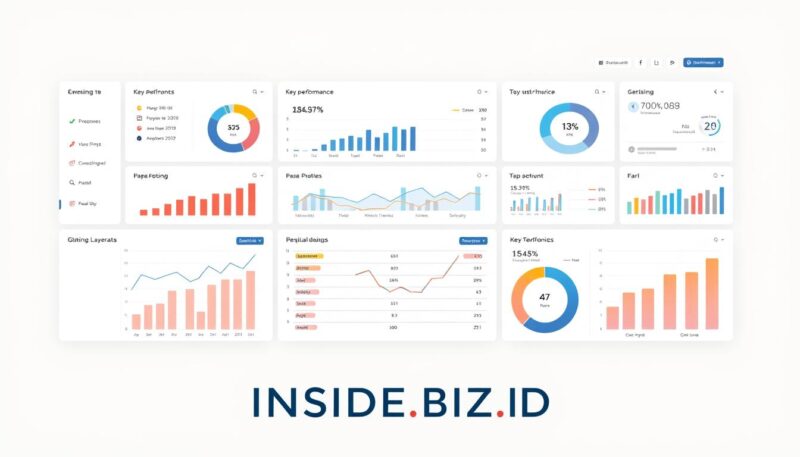
Financial reporting is key for business success. It helps you understand your business’s health. A good system turns numbers into useful insights for making smart choices.
Creating Effective Financial Dashboards
Financial dashboards are like a control center for your business. They show important financial info in a simple way. A well-made dashboard helps you:
- Watch your finances in real time
- See trends and problems fast
- Check important numbers easily
- Make complex data simple
Key Performance Indicators (KPIs)
Not all numbers are important in accounting. KPIs show the health of your business. Key ones include:
- Gross profit margin
- Net profit margin
- Operating cash flow
- Customer acquisition cost
Regular Financial Analysis
Regular financial checks make accounting useful for planning. By looking at reports often, you can:
- Find financial problems early
- Make choices based on data
- Change plans as needed
- Use resources better
Financial reporting isn’t just about numbers—it’s about understanding the story behind those numbers.
Your financial system should change and match your goals. Spending time on a good plan will help your business grow.
Building Strong Internal Controls

Keeping your business’s money safe is key. In business accounting, controls are like a shield against fraud and mistakes. They help keep your money records right and build trust in your team.
Good internal controls have a few important parts:
- Segregation of financial duties
- Regular financial reconciliations
- Comprehensive documentation processes
- Clear authorization protocols
Your accounting system should have checks and balances. This stops one person from controlling all the money. It spreads out the work to lower the chance of mistakes.
Here are some ways to make strong controls:
- Make clear financial rules
- Do regular financial checks
- Have open reporting
- Set up a secret reporting system
New accounting tech can help a lot. Cloud-based systems track money in real time. They send alerts and keep detailed records for easy checks.
“Strong internal controls are not just about preventing fraud—they’re about creating a culture of financial accountability and transparency.”
By focusing on strong controls, you keep your business’s money safe. You also show you’re good at managing money to others.
Leveraging Technology for Financial Management

In today’s world, technology changes how we do business. It helps companies manage their money better. They use new digital tools to make things faster, more accurate, and to understand their money better.
Technology in accounting brings powerful tools. These tools help businesses work smarter. They cut down on manual work, reduce mistakes, and help make better choices.
Automation Tools and Software
Modern accounting software changes how we manage money. It brings many benefits:
- Automated data entry and reconciliation
- Real-time financial reporting
- Reduced human error
- Improved efficiency and productivity
Digital Payment Solutions
Digital payment systems change how we deal with money. They offer:
- Faster payment processing
- Enhanced cash flow management
- Global payment capabilities
- Integrated accounting tracking
Data Security Measures
Keeping financial info safe is key today. Use strong security steps:
| Security Strategy | Key Benefits |
|---|---|
| Multi-factor authentication | Prevents unauthorized access |
| Encryption technologies | Protects sensitive financial data |
| Regular security audits | Identifies possible weaknesses |
Using new tech can cut down on accounting costs by 40-60%. It also speeds up money flow and gives important financial insights.
Professional Financial Support and Resources

Business accounting can be tough. You might know some basics, but sometimes you need help. This help is key for your business to do well.
Finding the right financial experts is important. They can change how you handle money. Here are some experts you might need:
- Certified Public Accountants (CPAs)
- Bookkeepers with industry-specific expertise
- Financial advisors specializing in small businesses
- Tax professionals familiar with your industry
Having a tax expert who knows your field is very helpful. They offer more than just numbers. They help you make smart money plans and find ways to save.
Learn more about accounting with these resources:
- Professional industry associations
- Online learning platforms
- Financial webinars and workshops
- Networking events for business owners
Look for financial help that shows:
- They know your business well
- They can talk clearly
- They use the latest tech
- They keep learning
Remember, getting professional accounting help is not a waste. It’s a smart move for your business’s money health.
With the right help and learning, you can improve your money skills. You’ll stay on top of money trends. And you’ll make better choices for your business’s future.
Planning for Business Growth and Scalability
Your business accounting basics will change as your company grows. Scaling financial operations needs smart planning and flexible approaches. This helps manage growing complexity.
For successful growth, a strong financial base is key. You must plan for your accounting needs to change. This means setting up systems that grow with your business.
- Create dynamic financial forecasting models
- Invest in scalable accounting technology
- Build adaptable reporting frameworks
- Develop strategic financial contingency plans
Businesses that plan ahead in accounting grow better. Slack and Dropbox are examples. They show how good financial management helps businesses grow fast.
Financial agility is the cornerstone of sustainable business development.
Important steps for growing your business accounting include:
- Upgrading accounting software capabilities
- Implementing cloud-based financial systems
- Establishing strong financial controls
- Creating detailed performance tracking mechanisms
Your financial team must grow with your business. They should use new technology and learn new skills. This helps with more complex business structures.
Strategic financial planning turns growth chances into real success.
Start Your Accounting Success Story Today
Business accounting is more than just numbers. It’s about making smart choices. We’ve looked at key accounting ideas that can change how you manage money. These ideas help you understand your business’s money better and grow stronger.
At INSIDE.BIZ.ID, we know accounting can be tough. We’ve talked about important tools like managing cash flow and using technology. Learning these skills can make your business more profitable and successful over time.
Accounting is a journey, not a one-time thing. Pick one idea from this guide and start using it. Keep track of how it goes and always be ready to change. Learning about accounting will help you make better money choices.
FAQ
What are the fundamental principles of business accounting?
How important is separating personal and business finances?
What are the key financial statements I should understand?
Why should I consider cloud-based accounting software?
How can I improve my business’s cash flow management?
What internal controls should I implement in my business?
When should I hire a professional accountant or financial advisor?
How often should I review my financial reports?
Yay! 🎉 You made it to the end of the article!