Skip to content
Skip to navigation
Skip to content
Skip to navigation




So, you want to start a business? Great choice! Let’s walk this path together at INSIDE.BIZ.ID. Are you ready to make your business dream come true? What if you could turn your passion into a business that shines in the market?
Welcome to INSIDE.BIZ.ID‘s guide on starting a small business. With over 33 million small businesses in the U.S., now is a great time to start. This starting a small business guide will show you 10 key steps to build a successful business from scratch.
Whether you’re starting for the first time or want to grow your business, our guide has what you need. It offers strategic tips and practical advice for the exciting world of business.
What Really Builds a Successful Small Business

Starting a small business is exciting. It needs a deep understanding of the business world. Knowing what makes small businesses succeed is key.
Small businesses are vital to the American economy. They bring new ideas and support local communities. They usually have less than 200 employees and help the economy grow.
Small Business Today: More Than Just a Label
A small business is more than its size. It’s about its dreams and drive. The U.S. Small Business Administration has clear rules for what makes a business small:
- It has fewer than 200 employees.
- It makes less money than certain limits.
- It’s owned and run by one person or a small group.
- It doesn’t aim to be big nationally.
Key Statistics and Market Overview
The small business world is full of interesting facts:
- Almost all U.S. businesses are small.
- Small businesses hire 47.3% of private workers.
- They make up 44% of the economy.
Benefits of Starting Your Own Business
Starting your own business has many perks:
- Personal fulfillment from doing what you love.
- Potential for flexible work hours.
- Chance for unlimited earnings.
- Control over your work path.
Knowing these basics is the first step in starting a small business. Every successful entrepreneur starts by understanding the market and believing in their vision.
Starting a Small Business Guide: Essential Planning Phase

Starting a small business needs a strong foundation. Your planning phase sets the path for your business. A good guide requires smart planning and detailed prep.



Your business plan is like a roadmap. It guides your choices and draws in investors. It’s a detailed plan that shows your vision, goals, and how to succeed.
- Define your business mission clearly
- Establish realistic short-term and long-term objectives
- Develop a strategic approach to achieving your goals
- Create financial projections
Good entrepreneurs do deep market research. They figure out who their customers are, what they need, and where they can fill gaps.
Important parts of planning include:
- Comprehensive market analysis
- Competitive landscape evaluation
- Financial forecasting
- Operational strategy development
Remember, preparation is the cornerstone of business success. Your guide should grow with your business. It helps you face challenges and grab chances.
“Planning is bringing the future into the present so you can do something about it now.” – Alan Lakein
Market Research and Validation Strategy

Starting a small business is more than just a good idea. You need to know the market well. Market research helps you avoid risks and succeed by learning about your customers and competitors.
- Collect detailed demographic data
- Study how people behave
- Look at economic trends
- Find out if there’s a market for your product
Identifying Target Market Demographics
Knowing who your customers are is key. You need to understand:
- How old they are
- How much money they make
- Where they live
- What problems they have
Analyzing Competition and Market Gaps
Finding what others don’t offer can help your business. Competitive analysis shows what makes your business special.
Validating Business Viability
It’s important to check if your business idea works before spending a lot. Use methods like:
- Customer surveys
- Testing prototypes
- Focus groups
- Creating a minimum viable product
Real-world success comes from understanding your market before launching.
Creating a Comprehensive Business Plan
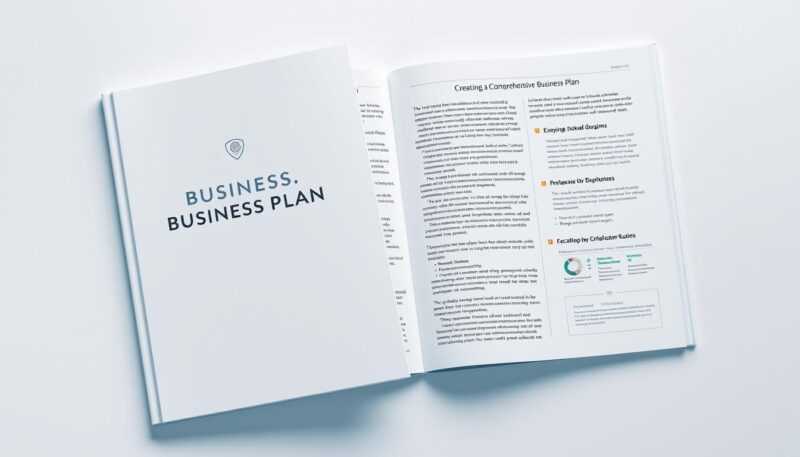
Creating a solid business plan is key for your small business. It’s like a roadmap that shows your vision, strategy, and money plans.
A good business plan does many things. It’s a strategic guide, helps get funding, and gives direction. It’s like a GPS for your business.
- Craft a compelling executive summary that captures your business essence
- Define your company’s unique value proposition
- Outline realistic and measurable business goals
- Detail your market research findings
- Create a clear organizational structure
When building your small business plan, focus on these key components:
- Company Description: Explain what makes your business unique
- Market Analysis: Demonstrate your understanding of the industry
- Product/Service Offerings: Describe what you’re selling
- Marketing Strategy: Show how you’ll attract customers
- Financial Projections: Present realistic revenue expectations
Pro tip: Consider two primary business plan formats – traditional and lean startup. Choose the one that best matches your business model and growth objectives.
“A well-crafted business plan is your first step towards entrepreneurial success.” – Small Business Administration
Remember, your business plan isn’t set in stone. Treat it as a dynamic document you’ll regularly review and adjust as your small business evolves.
Financial Planning and Funding Options
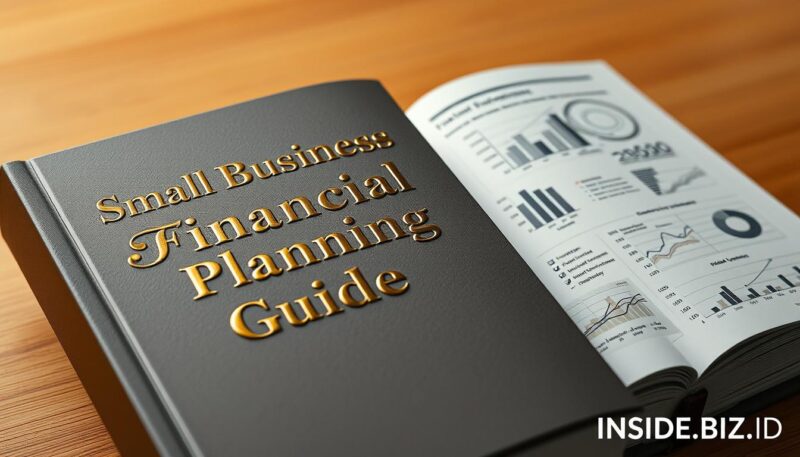
Starting a small business needs smart financial planning. Your guide must look at funding and budgeting carefully. Knowing the financial world is key to making your dream work.
Here are important steps for your small business guide:
- Calculate precise startup costs
- Explore diverse funding opportunities
- Develop robust budget management strategies
Calculating Initial Startup Costs
Your first money is very important for success. Think about these costs:
- Equipment and technology
- Legal and registration fees
- Marketing and branding
- Initial inventory
- Operating space rental
“Know your numbers before you start your business journey” – Financial Experts
Exploring Funding Sources
There are many ways to get money for your business:
- Personal Savings: Lowest risk, complete control
- Business Loans: Traditional bank financing
- Angel Investors: Private funding with mentorship
- Crowdfunding: Community-based financial support
- Government Grants: Specialized funding programs
Managing Business Budget
Good budgeting is your financial guide. Keep track of money, predict cash flow, and stay flexible for the future.
Use tools to track money, check expenses monthly, and have a backup fund for surprises.
Legal Requirements and Business Structure
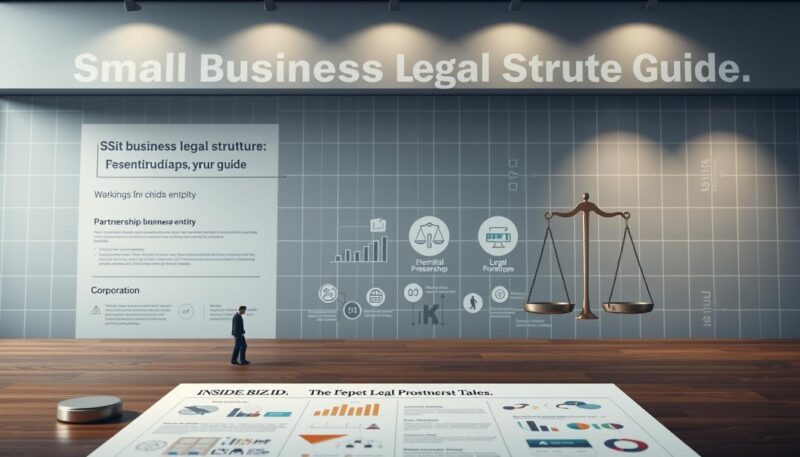
Starting a small business is complex. You must pick the right structure to protect your assets. Knowing your legal options is key.
Each business structure has its own benefits and downsides. Let’s look at the main ones:
- Sole Proprietorship: Simple with little paperwork
- Partnership: Shared ownership and duties
- Limited Liability Company (LLC): Keeps personal assets safe
- Corporation: Formal with strict rules
- Cooperative: Owned by its members
Think about these when choosing a structure:
- Liability protection
- Taxes
- How complex it is to run
- How it might grow
- Costs now and later
Registering your business means getting licenses and understanding taxes. A lawyer can guide you to fit your business needs.
Protect your ideas by looking into trademarks, copyrights, and patents early.
Setting Up Your Business Identity

Creating a strong business identity is key for success today. Your brand is more than a logo or name. It’s your business’s personality that shows what you offer to customers.
Building a strong identity takes strategy and thought. When starting a business, focus on making a brand that is memorable and professional. This brand should stand out in your market.
Choosing a Business Name
Choosing the right name is important. It should:
- Reflect your business’s core mission and values
- Be unique and easy to remember
- Check if the domain is available for your website
- Make sure it’s not trademarked or illegal
Creating Brand Guidelines
Consistent branding builds recognition and trust. Your guidelines should include:
- A color palette that shows your business’s personality
- Typography and font choices
- Logo design and how to use it
- The tone of voice for talking to people
Establishing Online Presence
Your online identity is very important today. Work on:
- A professional website with clear messages
- Social media profiles that match your brand
- Keeping your look the same on all platforms
- Basic SEO to help people find you
A well-designed brand can really help your small business succeed.
Essential Business Operations Setup

Setting up smooth operations is key for any small business. It helps you run daily activities well. It also manages important business functions.
We suggest focusing on key areas for a strong start:
- Accounting Systems
- Technology Infrastructure
- Insurance Protection
- Vendor Relationships
Your accounting system is your business’s financial heart. Pick software that tracks money, costs, and gives clear reports. QuickBooks or FreshBooks are good choices.
“Operational excellence is not about perfection, but consistent improvement.” – Michael Porter
Technology is vital in today’s business world. Get tools that make work easier and help with customers. Customer relationship management (CRM) platforms track interactions. Inventory systems prevent stockouts and improve supply chains.
Business insurance is a must. It protects your business from risks. Look into general liability, professional liability, and property insurance for your industry.
Good vendor relationships mean reliable supplies and future partnerships. Find good partners, talk about fair terms, and keep communication open.
With these key strategies, you’ll build a strong base for your business. This will help it grow and succeed in the long run.
Marketing and Customer Acquisition Strategies

Marketing is key for any small business. It can make your business a hit or a miss. This guide will show you how to get and keep customers while spending your marketing budget wisely.
Digital Marketing Essentials
Digital marketing is vital today. Your guide should focus on these important digital areas:
- Social media marketing
- Content marketing
- Email campaigns
- Search engine optimization (SEO)
Building Customer Relationships
Good customer relationships are essential. Work on making experiences memorable with:
- Personalized communication
- Responsive customer service
- Loyalty programs
- Consistent engagement
Marketing Budget Allocation
Smart budget use can boost your marketing. Invest wisely by tracking your return on investment and focus on what works best.
The most successful small businesses view marketing as an investment, not an expense.
Your marketing plan should change and grow. Keep checking and tweaking it to hit your target audience right.
Managing Business Finances and Accounting
Learning to manage money is key for your small business to do well. Good accounting lets you keep track of costs and see how your business is doing. It helps you make smart choices for your business’s future.
It’s important to keep your business money separate from your personal money. Open a special business bank account and credit card. This makes it easier to manage your business money and keeps your personal money safe.
- Track every business expense meticulously
- Generate monthly financial statements
- Set up a reliable bookkeeping system
- Plan for tax obligations in advance
Think about using accounting software to help manage your money. Tools like QuickBooks or FreshBooks can make things easier. They help you see how your business is doing in real time.
As your business gets bigger, getting help from a professional accountant is a good idea. They can:
- Help you save money on taxes
- Make sure you follow the rules
- Help plan for the future
- Help understand hard financial stuff
Remember, knowing your finances is not just about numbers. It’s about keeping your business safe and making smart choices for growth.
Risk Management and Insurance Considerations
Keeping your small business safe is key. Every entrepreneur needs a strong plan to protect their business. This plan helps avoid surprises that could stop your success.
Understanding risk management is very important. Your business can face many dangers. You need to plan carefully to stay safe.
- Financial risks that impact cash flow
- Operational vulnerabilities within your business model
- External market challenges
- Legal and compliance exposures
Business insurance is a big help. It’s part of your plan to stay safe. You should think about:
- General Liability Insurance: Protects against third-party injury or property damage claims
- Professional Liability Insurance: Covers professional mistakes or negligence
- Property Insurance: Safeguards your business assets and physical infrastructure
- Workers’ Compensation: Provides coverage for employee workplace injuries
Choosing the right insurance is important. You need to think about what your business needs. Talk to an insurance expert who knows your industry. They can help you find the best coverage for your business.
“Risk management is not about eliminating all risks, but understanding and strategically managing them.” – Business Insurance Expert
Keep checking your risk management plan as your business grows. What works today might not tomorrow. Make sure your business stays strong and safe against new challenges.
Ready to Launch Your Dream?
Starting a small business is exciting. It needs passion, preparation, and hard work. You’ve learned a lot from this guide.
Success is not about being perfect. It’s about planning well and learning always. The Bureau of Labour Statistics says about 80% of small businesses make it past their first year.
Your journey is special. This guide helps a lot, but remember to be flexible. Every small business has its own challenges. How well you adapt will help you last long.
INSIDE.BIZ.ID wants to help you. Use our resources, join our community, and keep learning. Your business dreams are ready to come true.
FAQ
How much money do I need to start a small business?
What is the best business structure for a small business?
How do I create an effective business plan?
What insurance do I need for my small business?
How can I fund my small business?
How do I choose the right marketing strategy for my small business?
What legal requirements do I need to start a small business?
How important is market research for my small business?
Yay! 🎉 You made it to the end of the article!